











Integrated Living Infrastructure — Connecting Nature, Water, and the Built Environment
Living infrastructure extends far beyond living walls and green roofs. It encompasses a broad range of engineered ecological solutions designed to integrate natural systems into urban environments, improve environmental performance, and create healthier, more resilient communities.
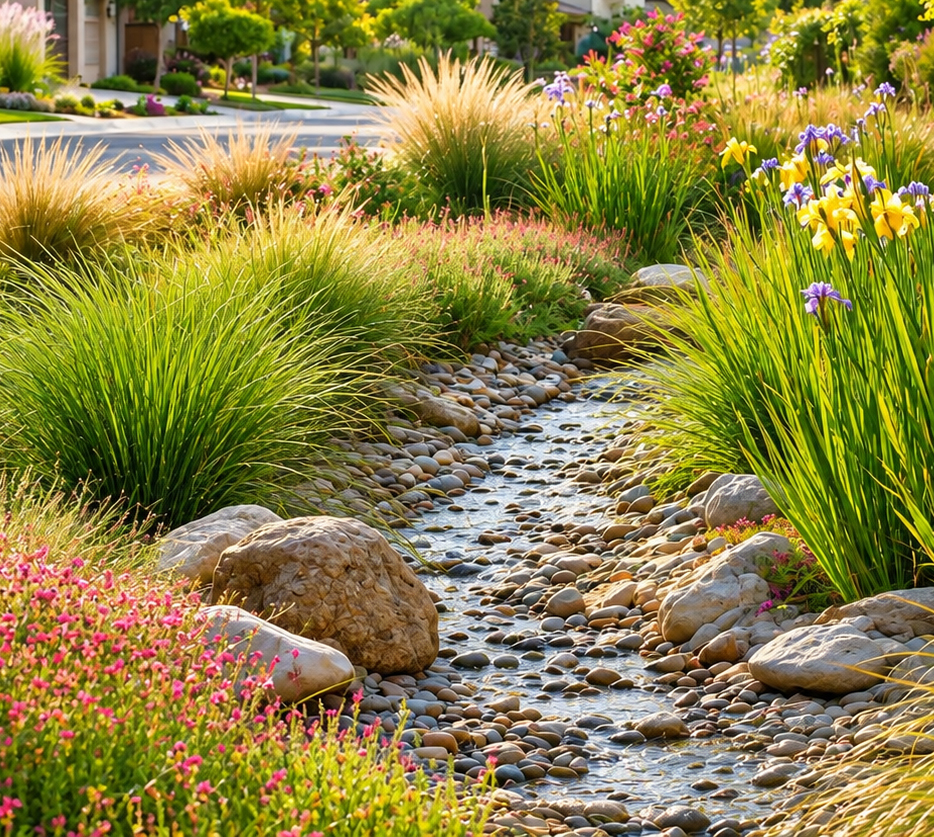
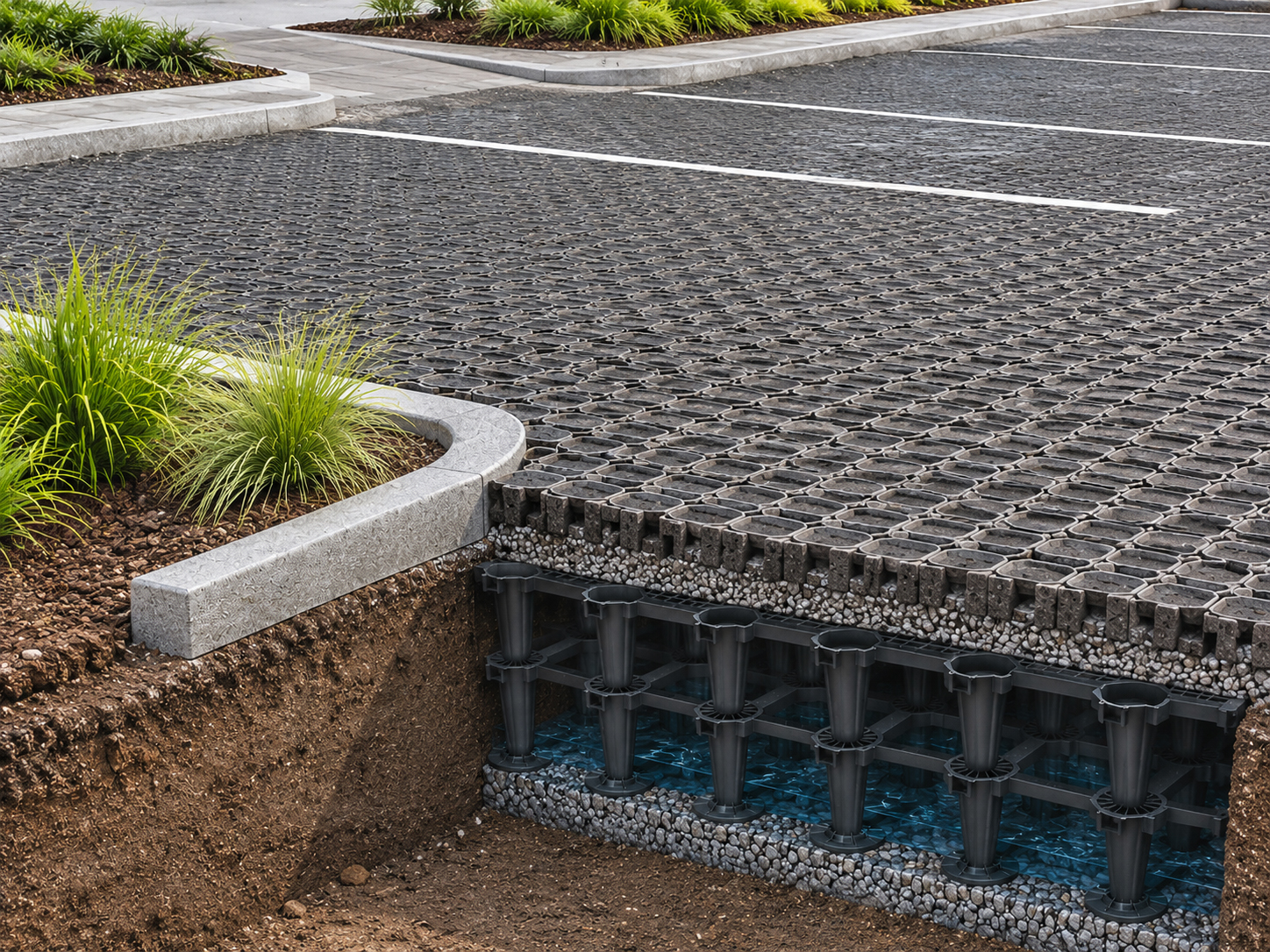
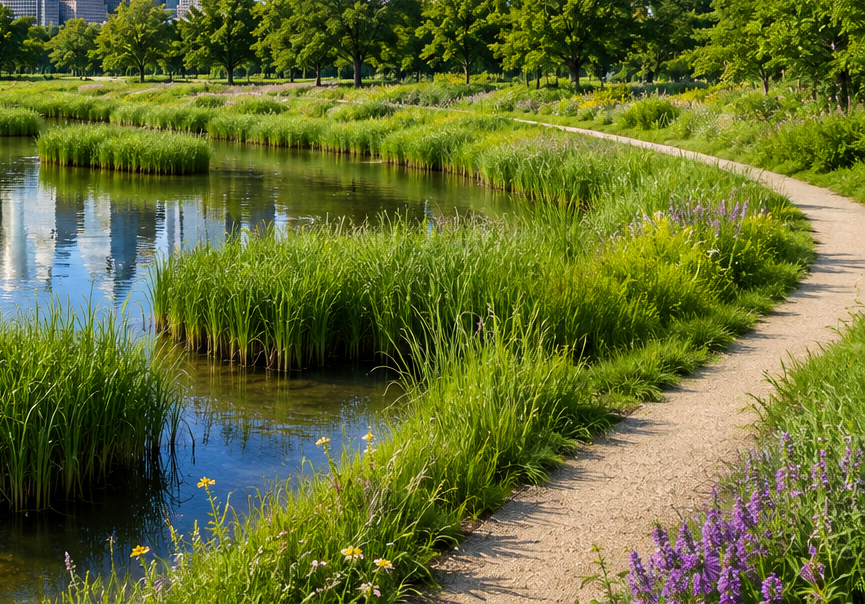
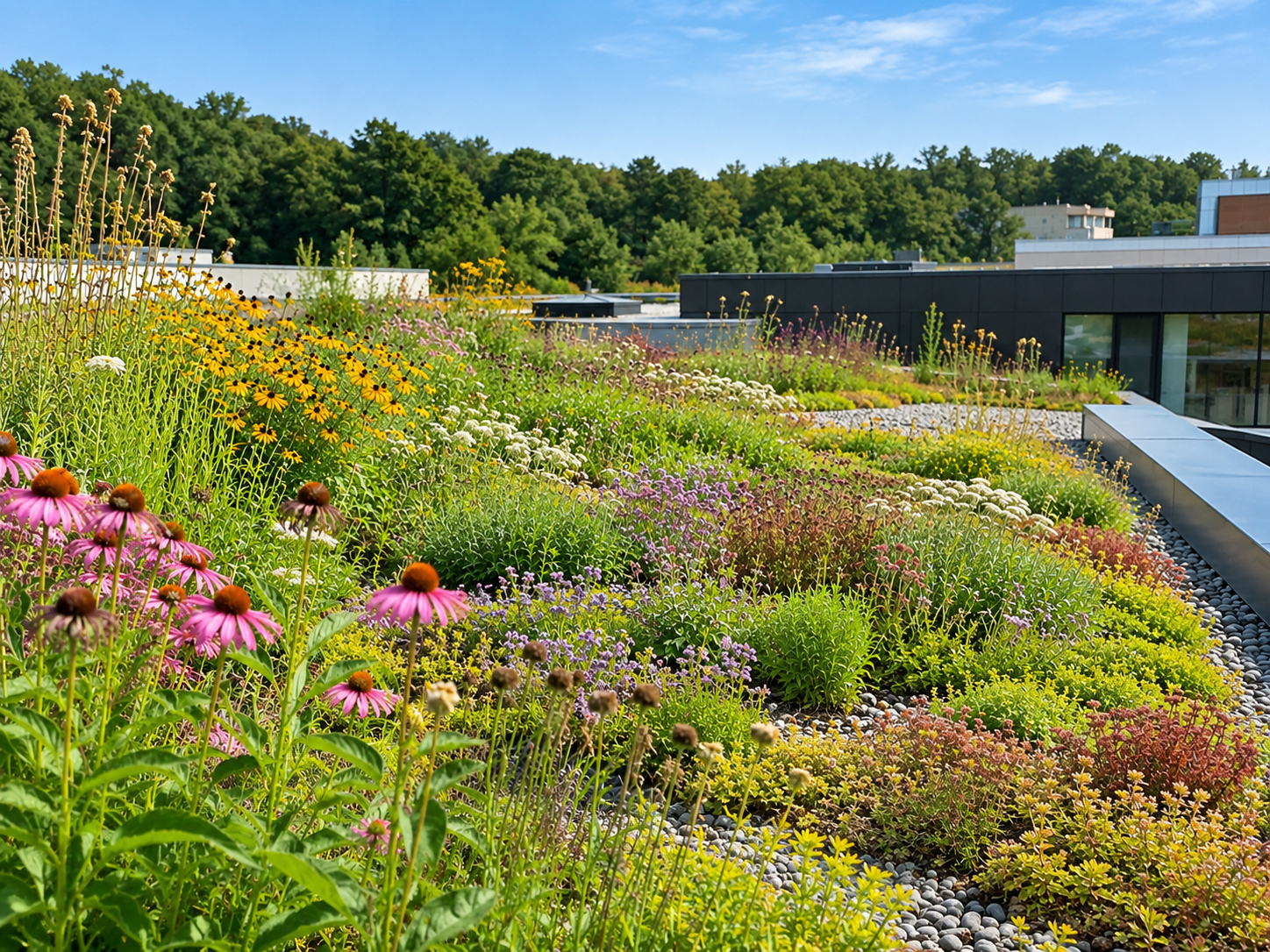
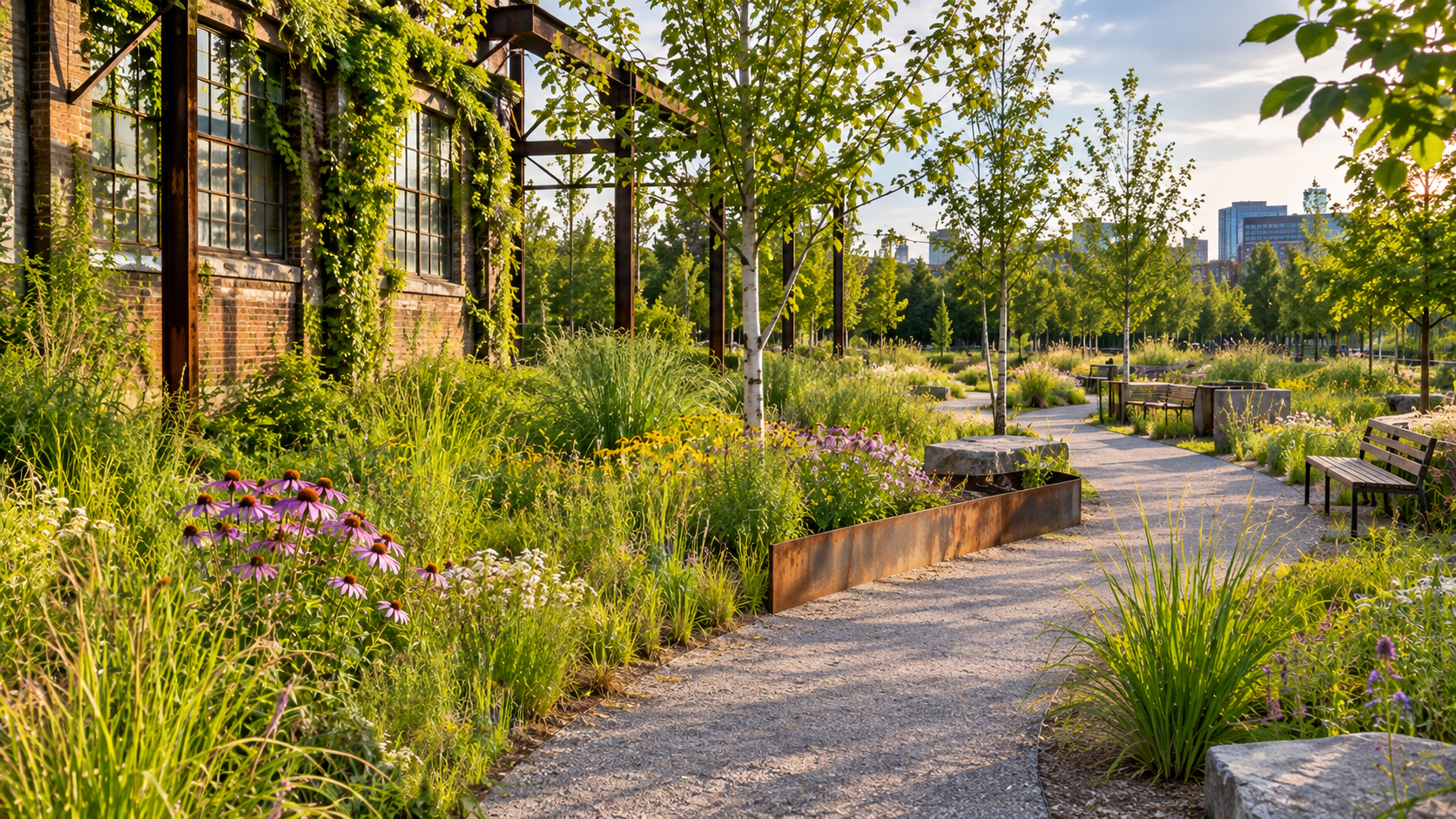
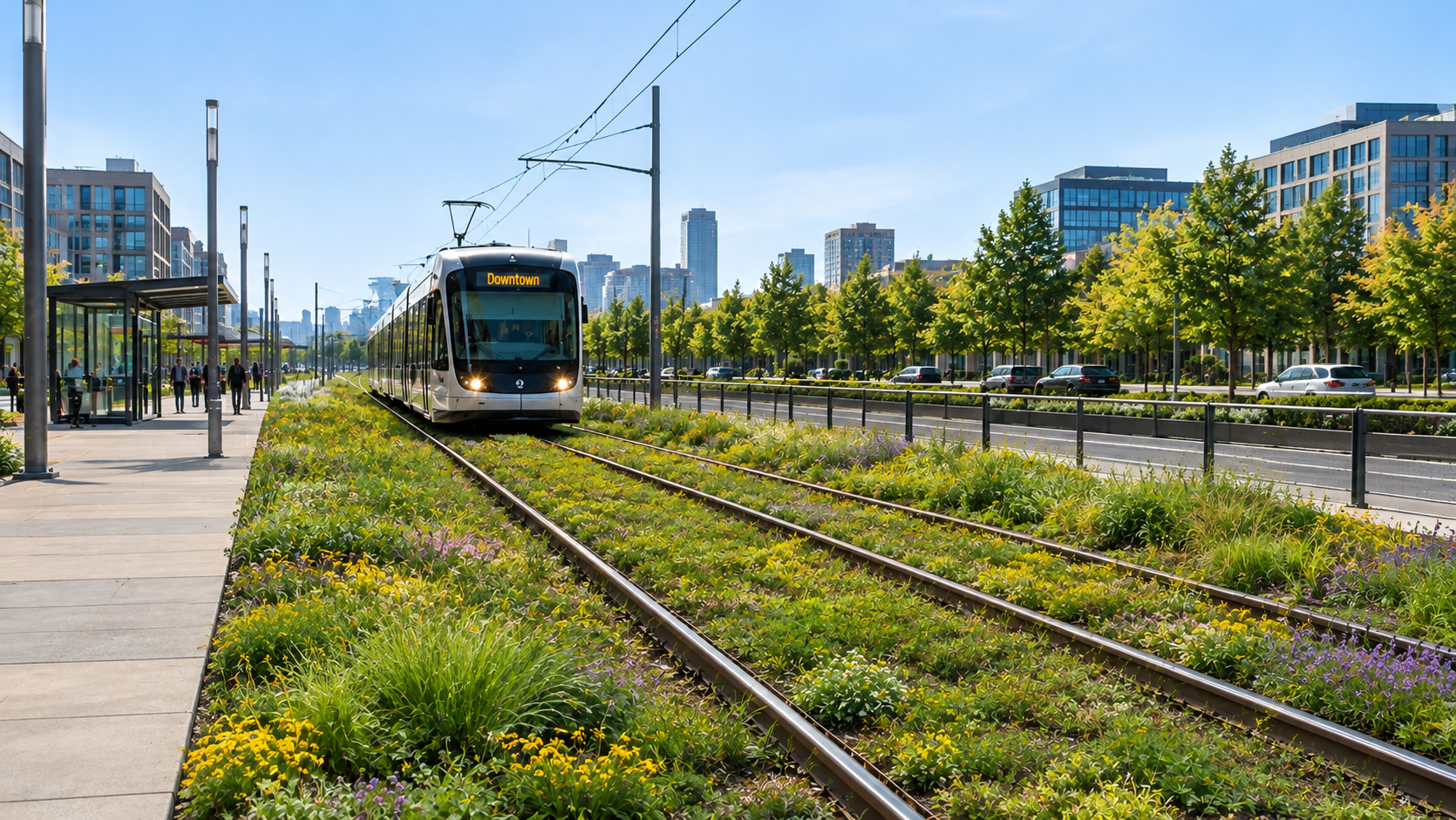
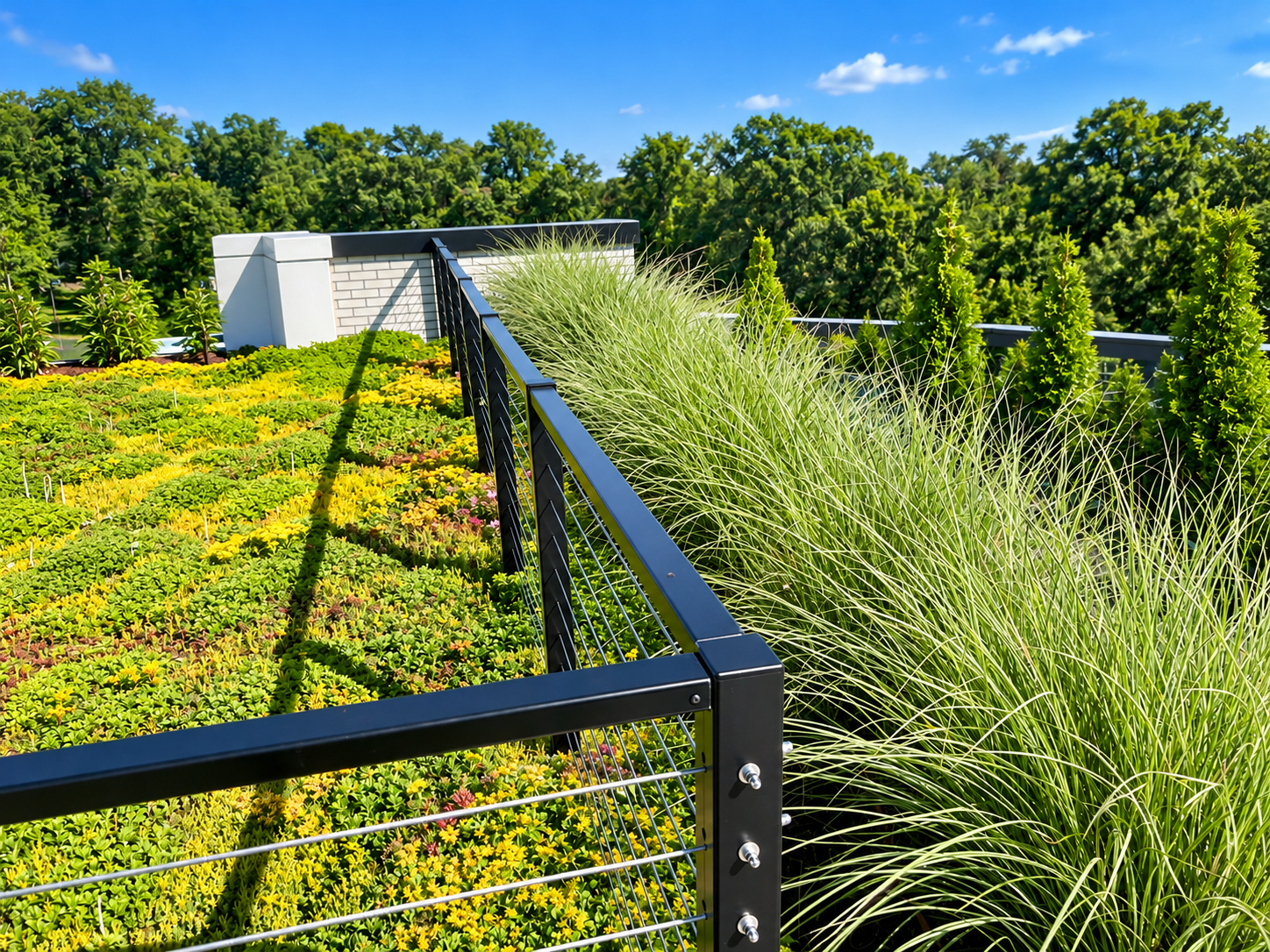
From rain gardens, bioswales, constructed wetlands, and permeable pavement to urban forests, pocket parks, green roofs, biodiversity corridors, and urban tree canopy systems, each application plays an important role in managing stormwater, reducing urban heat, supporting biodiversity, and improving the quality of our built environment.
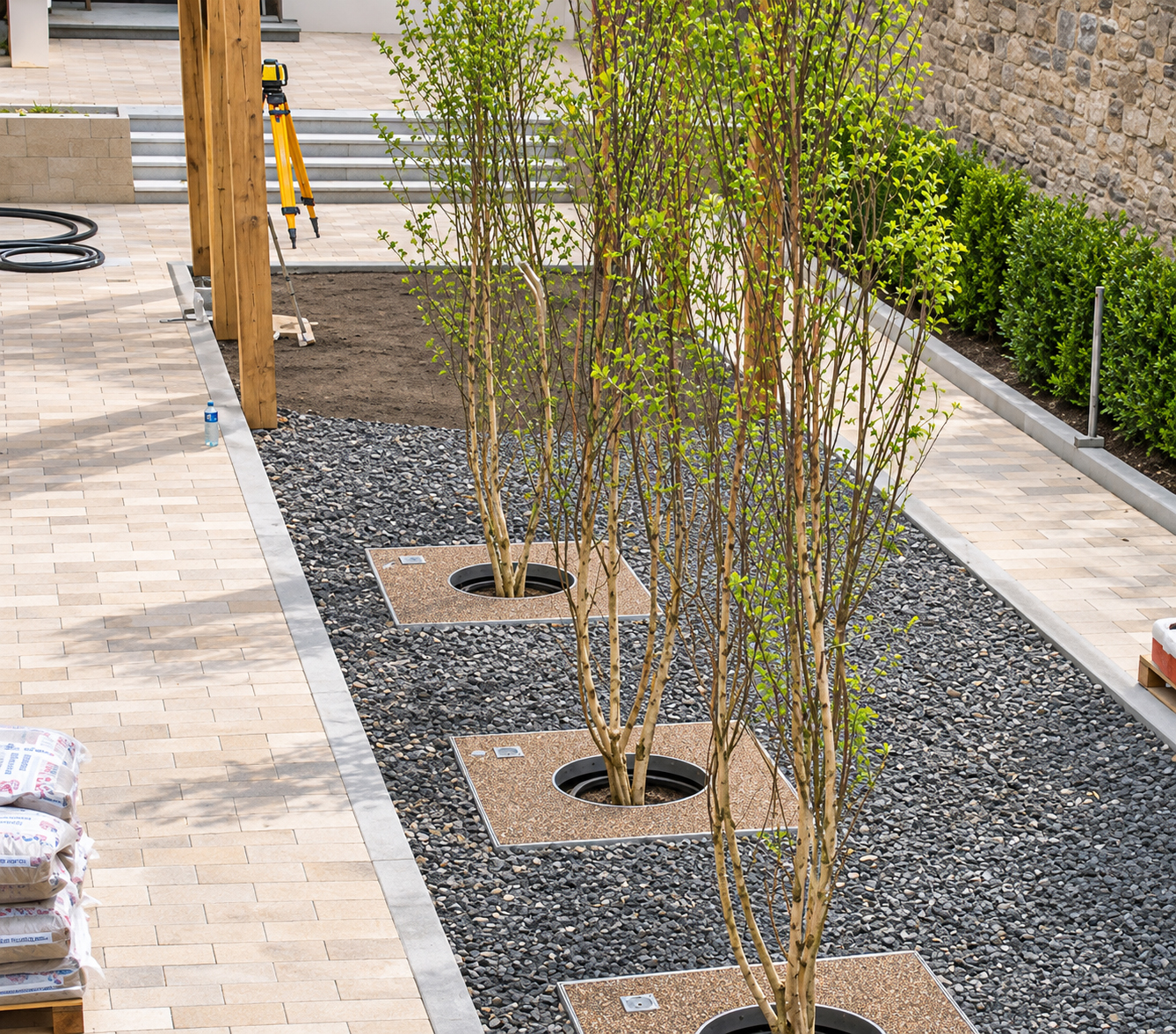
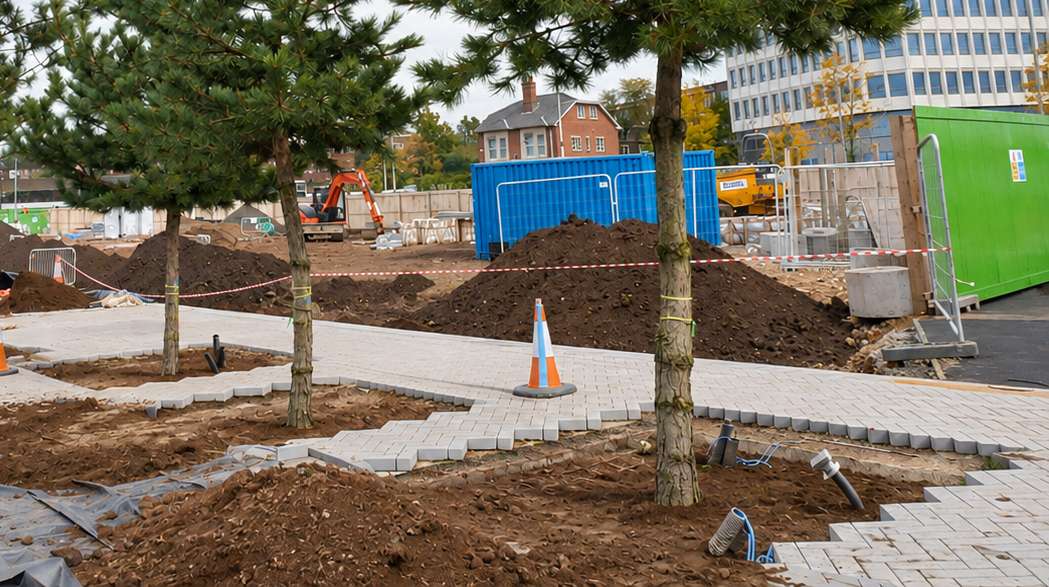
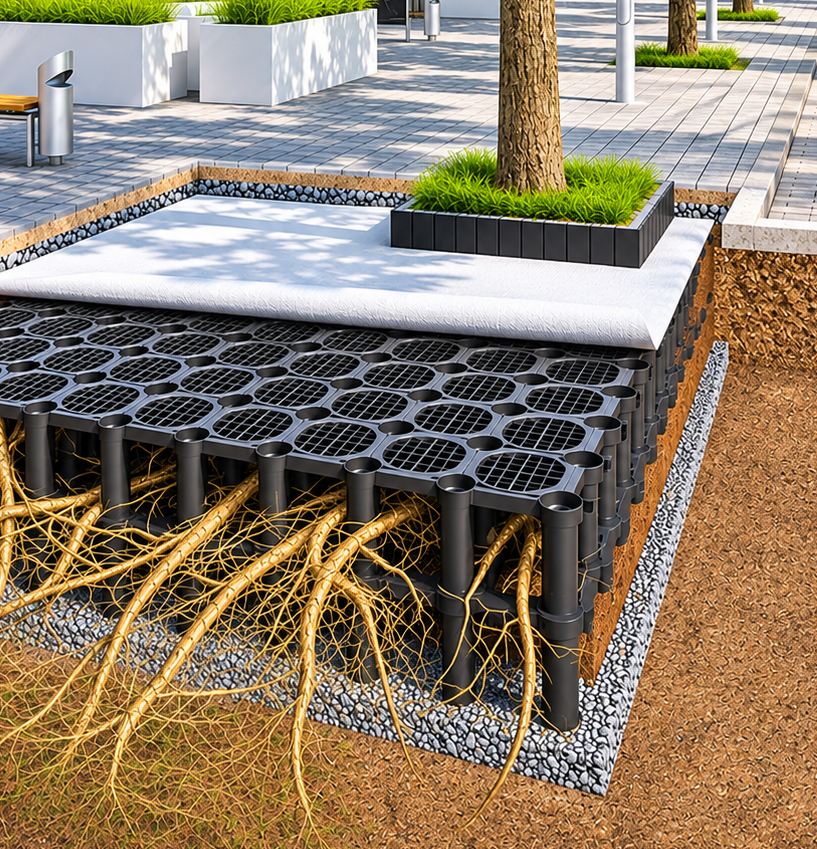
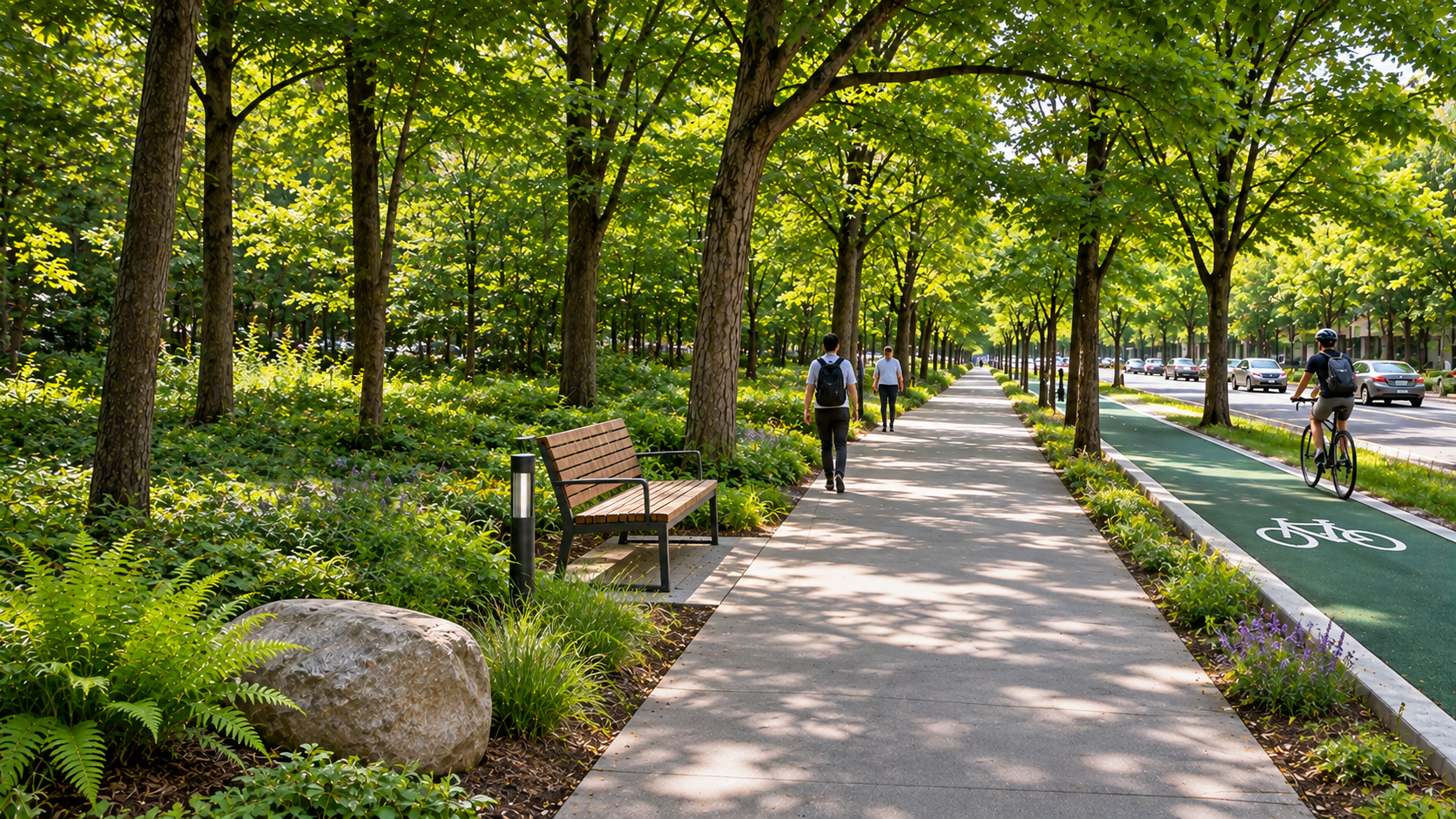
Equally important are properly engineered urban tree pits, structural soil systems, and subsurface stormwater retention systems, particularly along sidewalks, streetscapes, plazas, and other heavily developed areas where conventional planting methods often fail to support long-term tree health.
At Green Living Tech, we believe these solutions should not be viewed as isolated landscape features, but as interconnected components of a comprehensive living infrastructure strategy—one that brings together engineering, ecology, water management, and thoughtful urban design.
Living infrastructure is not simply about adding greenery. It is about engineering nature to function as essential infrastructure.